
Castle Defenses: How Was a Castle Defended?
A castle needed surprisingly few defenders. Walls, towers and moats made every attack costly – as long as water, food and courage held out.
In short
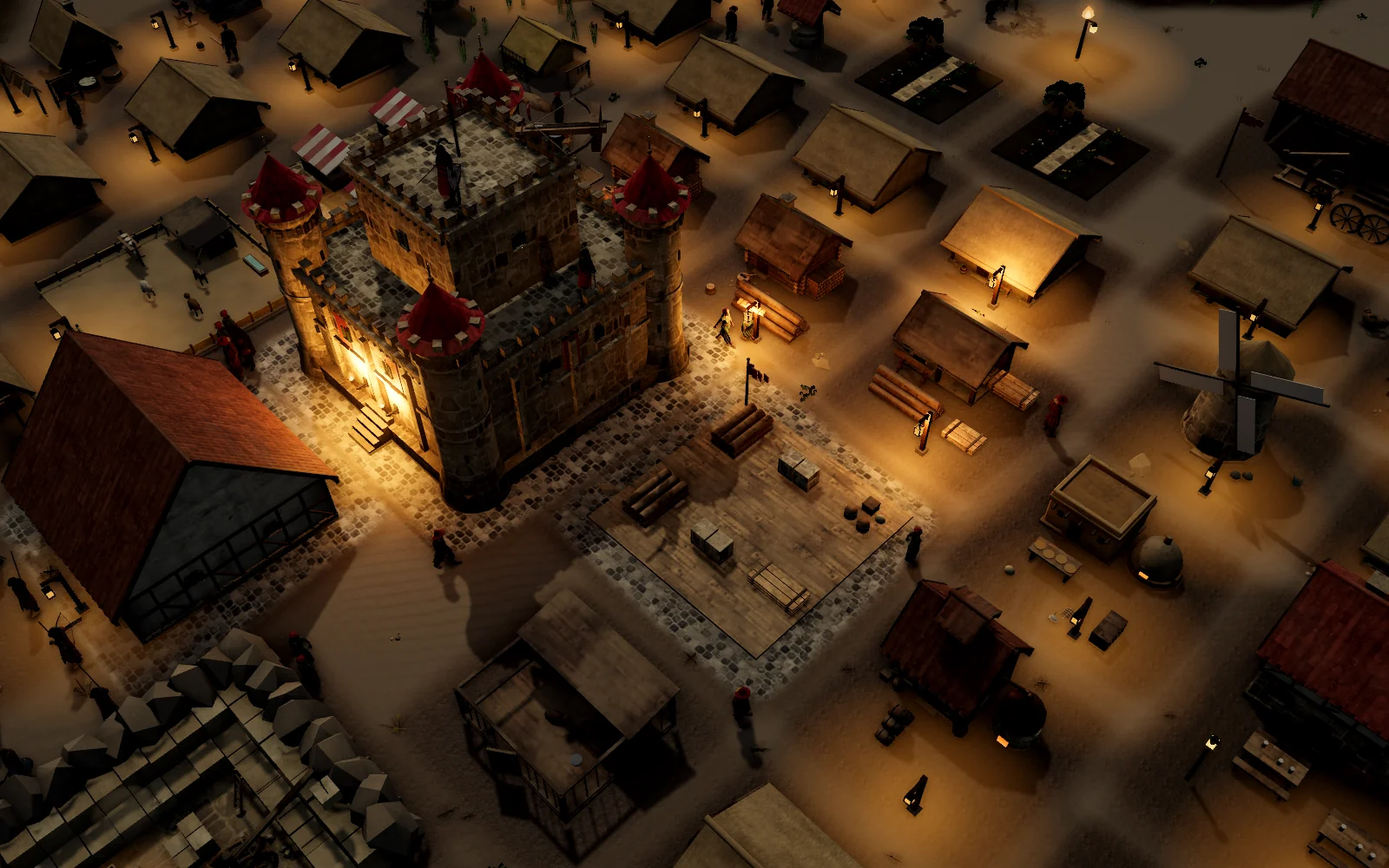
Defending a castle meant, above all, making the attacker pay in time, material and men. Walls and ditches kept the enemy at a distance, and from towers and wall walks the defenders shot at anyone who came near. Most sieges did not end with an assault but through hunger, disease, negotiation or a relief army that came to the aid of the besieged.
Preparation: water, stores and garrison
A castle was only as strong as its stores. Before an expected siege, grain, salted meat, firewood and arrows were laid in. A well or cistern of its own was vital. Defenders often burned the surrounding countryside too, so that the attacker found neither food nor timber for siege engines.
The garrison was usually small. A few dozen armed men could hold a well-built castle for a long time against a much larger army, because the walls multiplied their numbers.
Walls, towers and moat
The first line of defense lay in front of the wall. A ditch – dry or filled with water – kept battering rams and siege towers away. The attacker first had to fill it with earth and brushwood under fire.
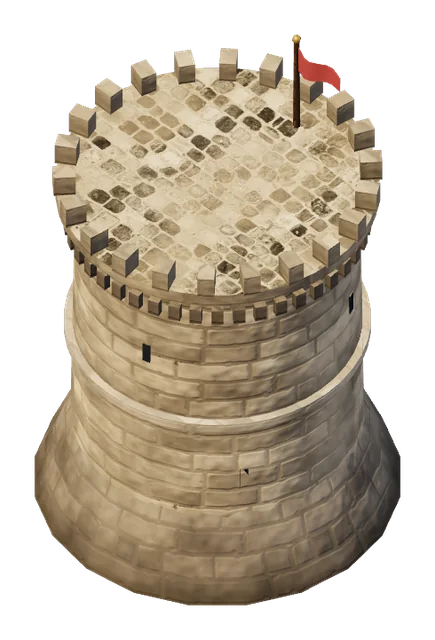
On the wall the defenders stood behind the battlements. Wall towers that projected a little allowed them to shoot along the wall: whoever set up a ladder was hit from the side. The higher archers stood, the further their arrows flew, and the harder they were to hit.
Guarding the gate
The gate was the natural point of attack. Gatehouses with flanking towers, a portcullis, a drawbridge and murder holes in the gate vault turned the passage into a trap. Some castles laid out the approach so that attackers had to turn their unprotected right side – the side without a shield – towards the wall on their way to the gate.
Hot pitch, stones and water
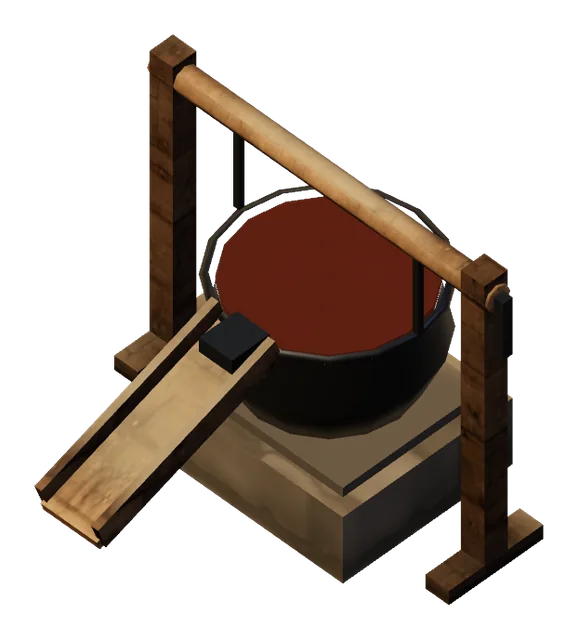
From machicolations and hoardings the defenders poured or dropped whatever they had on attackers at the foot of the wall: mostly stones, boiling water, hot sand and pitch. Boiling oil, familiar from films, was expensive and rarely used. Fire arrows set wooden rams, protective roofs and siege towers alight, which is why attackers covered them with wet hides.
Against mines and siege engines
More dangerous than any assault were miners. They dug tunnels under a wall, propped them up with timber and set fire to the props. The wall sank into the cavity. The defenders answered with countermines: they dug themselves and tried to find and destroy the enemy tunnel. Bowls of water set on the ground trembled when someone was digging nearby and gave the enemy tunnel away.
Against throwing machines, the defenders' own engines on the towers helped, firing at the siege equipment, and so did sorties: at night a small force broke out of a side gate and set the besiegers' machines on fire.
Castle defenses at a glance
| Threat | The defenders' answer |
|---|---|
| Ladders and assault | battlements, flanking towers, spears to push ladders over |
| Battering ram at the gate | gatehouse, portcullis, machicolations, stones from above |
| Siege tower | moat, fire arrows, engines |
| Throwing machines | own engines, sorties, thick walls |
| Miners | moat, bedrock, countermines |
| Starvation | stores, a well, hope of relief |
In the game: defending your castle in Kingdoms of Sand
In Kingdoms of Sand you have exactly these means at your disposal, and they work as you would expect:
- Archers on walls and towers stand higher, shoot further and are better covered. An archer shoots 9 tiles, further still from a tower.
- A moat stops troops and engines, the pitch ditch bursts into flames with fire arrows, and the pit trap is invisible to enemies.
- The boiling cauldron on a wall, tower or gatehouse pours boiling pitch on attackers at the foot of the wall. It is worked by an engineer.
- A fire brazier lets nearby archers shoot fire arrows.
- A ballista on a tower roof shoots 17 tiles and targets siege engines first, while a mangonel hurls stones into dense crowds of attackers.
- Spearmen push leaning ladders over, and pikemen hold walls and gates.
And just like then, the economy has its say: a castle without food and pitch does not hold out for long. How the attacker goes about it is in our guide to medieval siege weapons.
Frequently asked questions
Did defenders really pour boiling oil?
Rarely. Oil was expensive. Far more often they dropped stones and poured boiling water, hot sand or pitch on the attackers.
How many soldiers did it take to defend a castle?
Often only a few dozen. The walls made up for the enemy's numbers; stores and water were what decided it.
How did most sieges end?
Through hunger, disease, negotiation or a relief army. A successful assault on a well-defended castle was the exception.
Read on
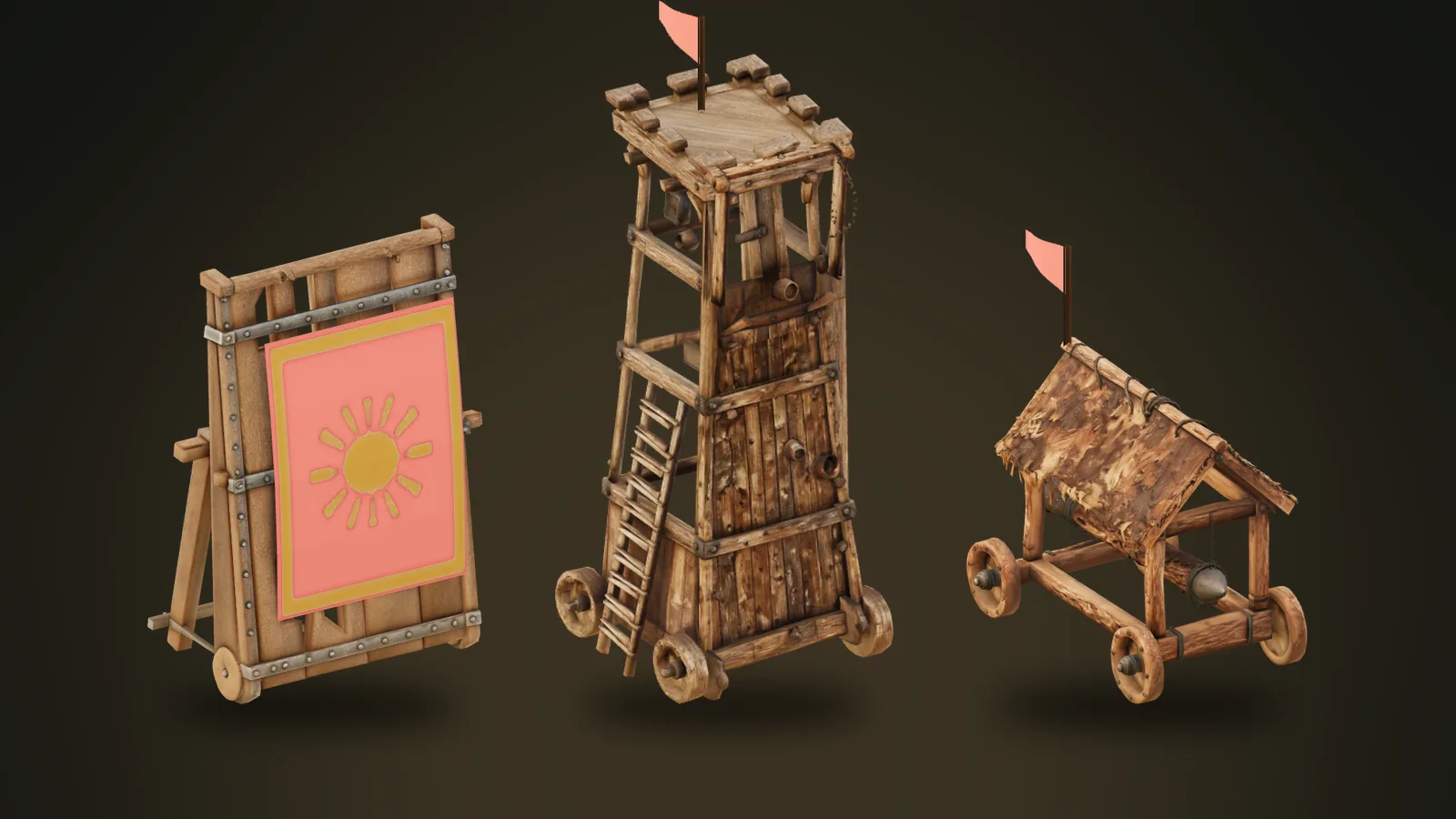 Medieval Siege WeaponsBattering ram, siege tower, trebuchet, scaling ladder and miners: which siege weapons existed in the Middle Ages, how they worked and what they could do.
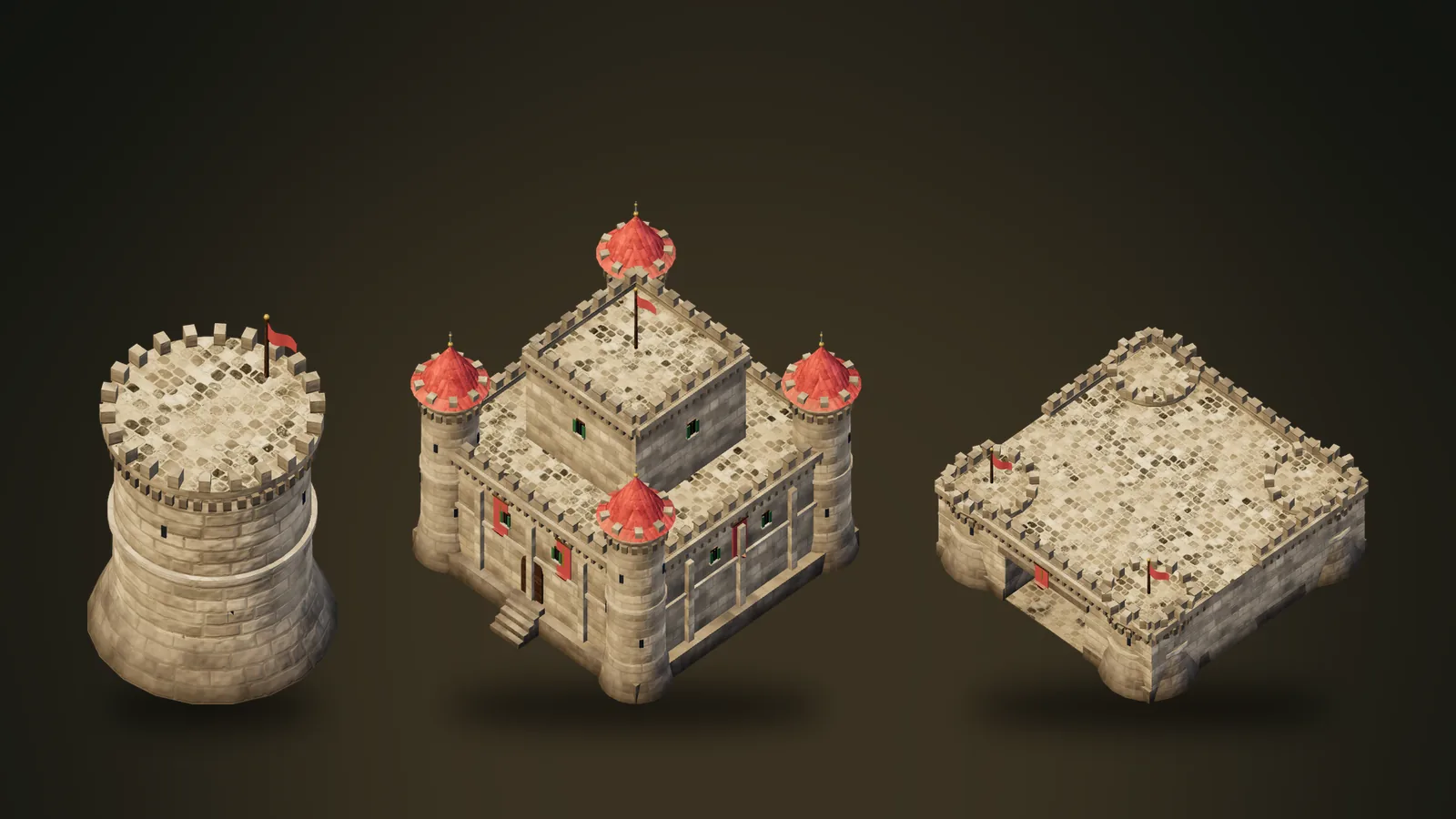 Parts of a Castle ExplainedKeep, curtain wall, gatehouse, bailey: how a medieval castle was laid out and what each part was for – explained in plain words, with pictures.
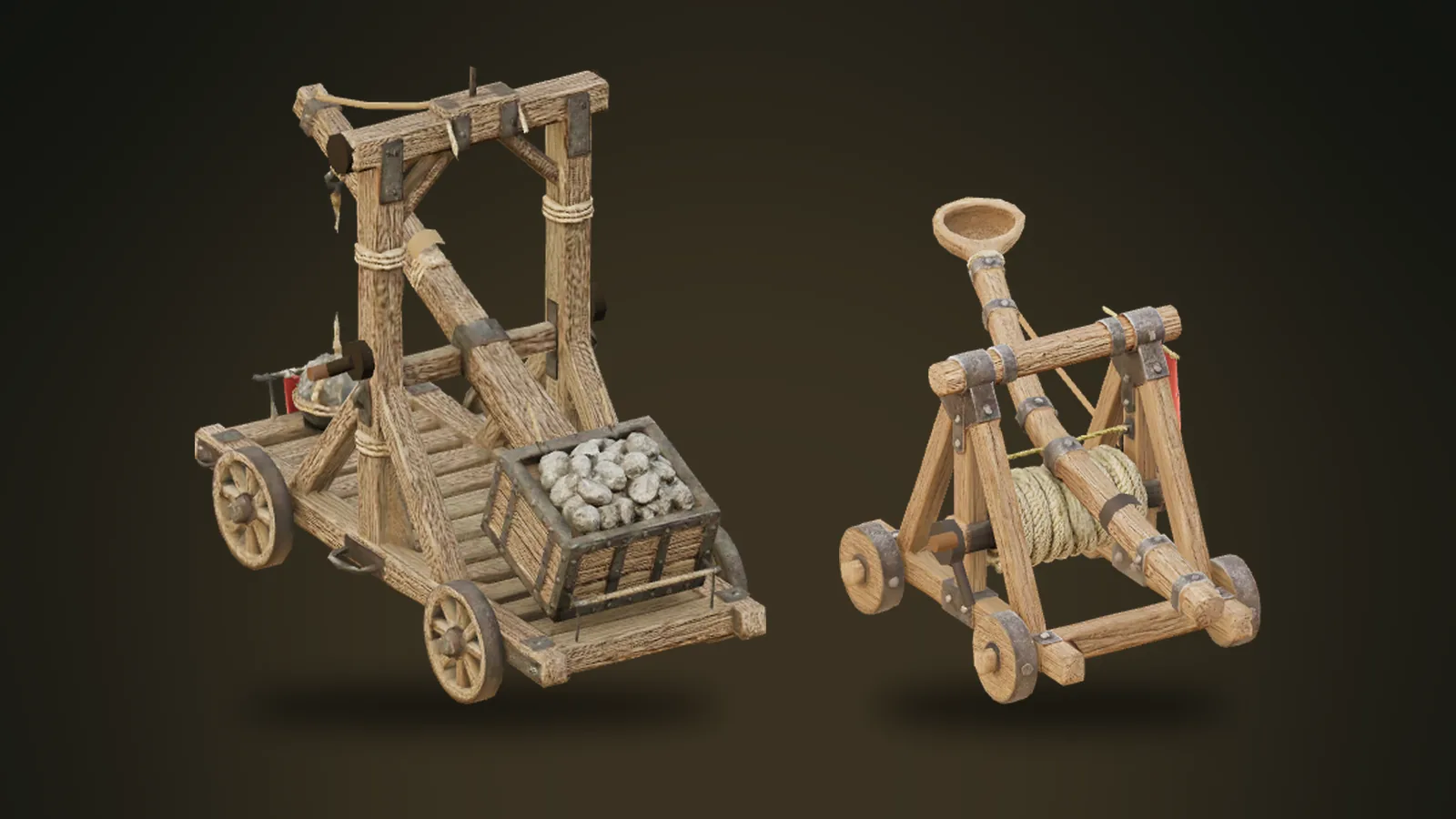 Trebuchet vs Catapult: The Difference ExplainedTrebuchet and catapult are often mixed up. How both siege engines work, what they could do and when to use which – explained in plain words.