
Medieval Siege Weapons
A castle was built to keep attackers out. Anyone who wanted to take it anyway needed patience, many hands and the right equipment – from the simple battering ram to the towering trebuchet.
Why castles were so hard to take
A well-built castle was a fortress against which ordinary troops could do little. High walls, a ditch in front, archers on the battlements and a gate flanked by towers: anyone who charged ran into a hail of arrows. Many sieges therefore did not end with an assault but with hunger, disease, treachery or a negotiated surrender.
Even so, attackers developed a whole range of equipment over the centuries to get past walls. It falls into four groups: break through, get over, dig under and wear down from afar.
Breaking through: the battering ram
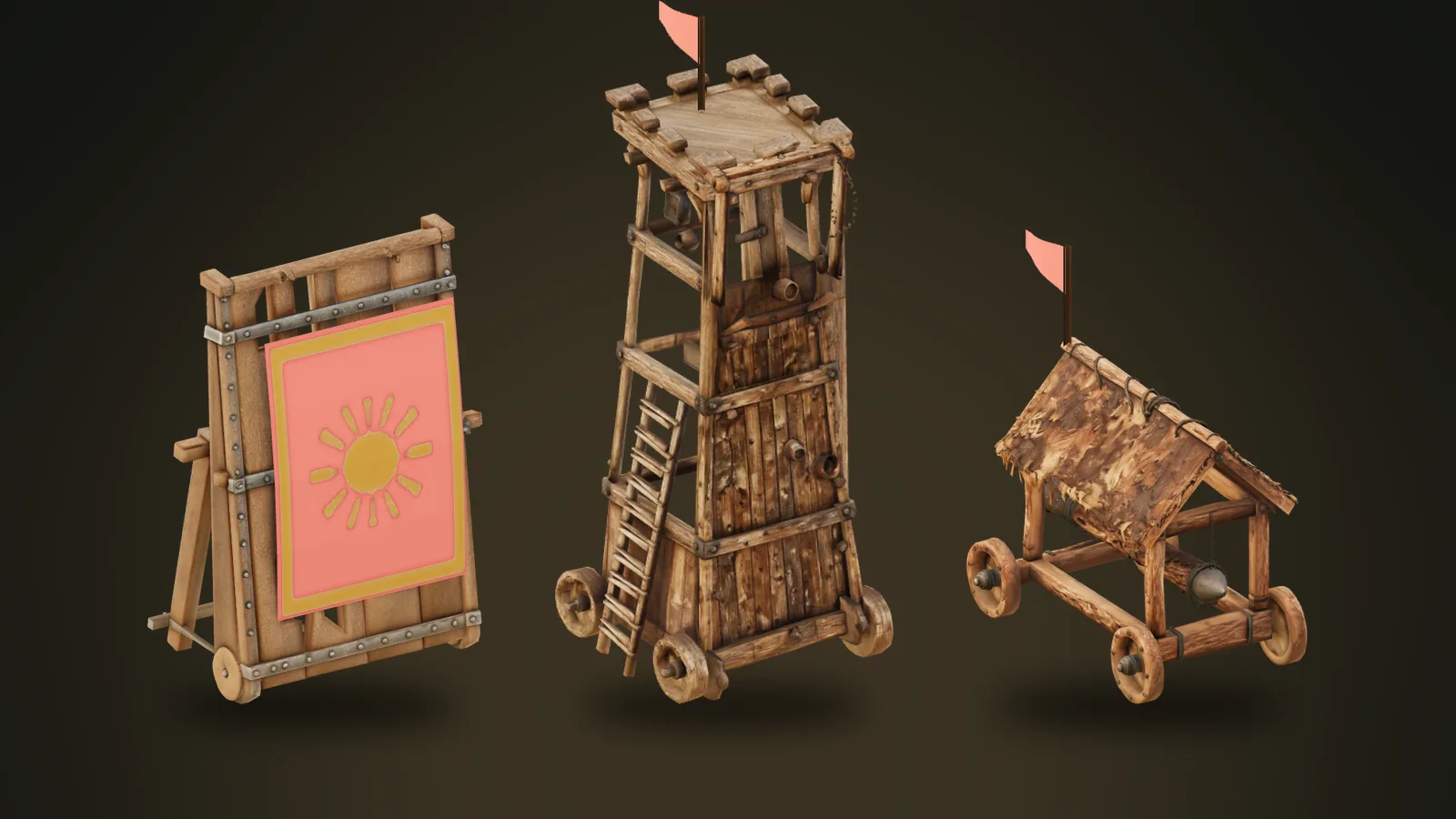
The battering ram is one of the oldest siege weapons. A heavy tree trunk, often with an iron head, is swung against a gate or wall. So that the crew was not hit from above, the trunk usually hung under a wheeled roof. This roof was covered with wet hides so that fire arrows and burning pitch could not set it alight.
Defenders answered with anything they could drop on the roof, or tried to catch the head of the ram with hooks and nooses.
Getting over: scaling ladder and siege tower
The simplest way over a wall is a scaling ladder. It was quick to build but dangerous: whoever reached the top stood alone against the defenders, and a ladder could be pushed away with a fork.
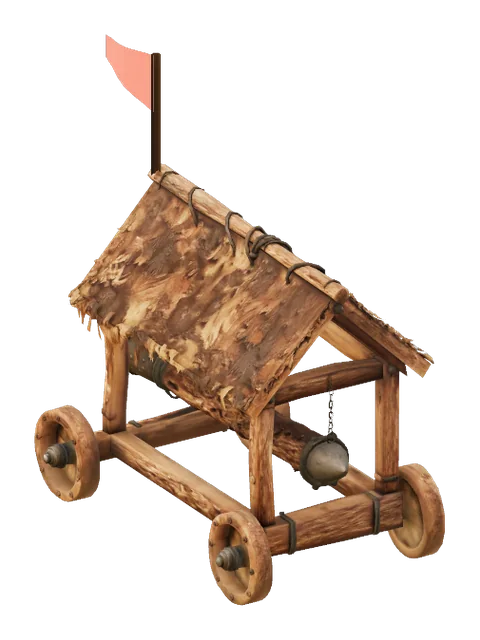
Safer was a siege tower, sometimes called a belfry. The wooden tower was rolled up to the wall. Inside, the attackers climbed up under cover, then a bridge dropped onto the top of the wall. At the siege of Jerusalem in 1099 the breakthrough into the city came over such a tower. Because a tower only rolled on level ground, attackers often had to fill in the ditch first.
Digging under: miners
Where the ground allowed it, miners dug a tunnel under the wall or a tower. They propped up the cavity with timber, filled it with anything that would burn and set it alight. When the props burned away, the masonry above collapsed. In 1215 King John of England brought down a corner of the keep of Rochester Castle this way; for the fire in the tunnel he had the fat of forty pigs brought in.
Moats full of water, foundations on rock and countermines, in which the defenders dug towards the attackers underground, helped against miners.
From afar: catapult and trebuchet
Throwing machines battered the walls from a safe distance. The catapult stores its energy in twisted ropes, the trebuchet uses a falling counterweight and throws heavier stones further. We explain the difference in detail in trebuchet vs catapult.
Throwing machines did not only make breaches. They also threw incendiaries into the castle and wore the defenders down, day and night.
Cover: the mantlet
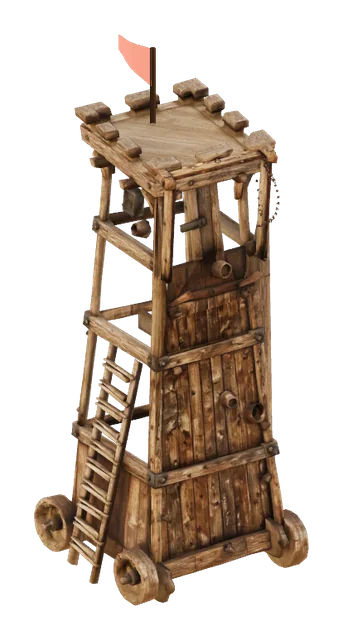
Anyone who had to get close to the wall needed protection from arrows and bolts. Wheeled wooden screens, often covered with hides, were pushed ahead. Behind them archers, diggers and the crew of a battering ram could work.
In the game: sieges in Kingdoms of Sand
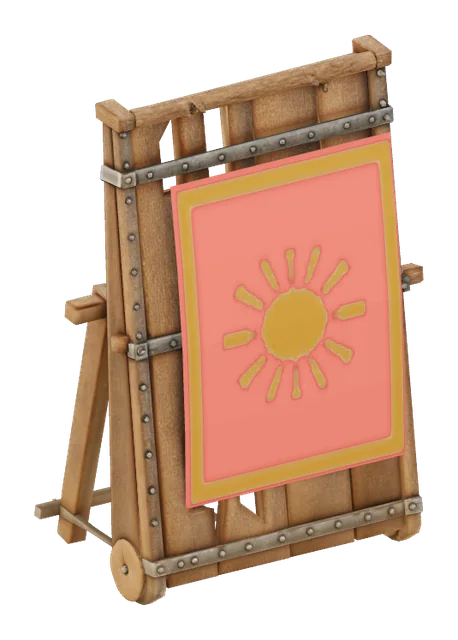
Kingdoms of Sand has each of these engines, with exactly the strengths and weaknesses they had back then:
| Engine | In the game | Watch out |
|---|---|---|
| Battering ram | 800 hit points, breaks gates and walls, pushed by 4 engineers | does not attack troops |
| Siege tower | 1500 hit points, troops storm up the ramp | ballistas and melee troops bring it down |
| Ladderman | leans a ladder against the wall, infantry climbs | defenders push ladders over |
| Tunneler | digs under walls and towers, which collapse | boiling cauldrons hit it right below |
| Catapult and trebuchet | throw 16 and 24 tiles | need protection from cavalry |
| Mantlet | troops behind it are shielded from arrows | does not fight itself |
Siege engines come from the siege workshop and need engineers as crew; laddermen and tunnelers come from the engineers' guild. None of these engines wins alone: a ram without cover gets shot to pieces, a siege tower without troops achieves nothing. How defenders hold out is covered in castle defenses. Everything together is on the page about our siege game.
Frequently asked questions
What siege weapons were used in the Middle Ages?
The most important were the battering ram, scaling ladder, siege tower, throwing machines such as the catapult and trebuchet, and miners who dug under walls. Wheeled screens provided cover.
What was the strongest siege weapon before the cannon?
The counterweight trebuchet. It threw stones of roughly 50 to 100 kilograms several hundred meters, and very consistently.
How long did a siege last?
From a few days to many months. Often it was not the equipment that decided it but who ran out of food or water first.
Read on
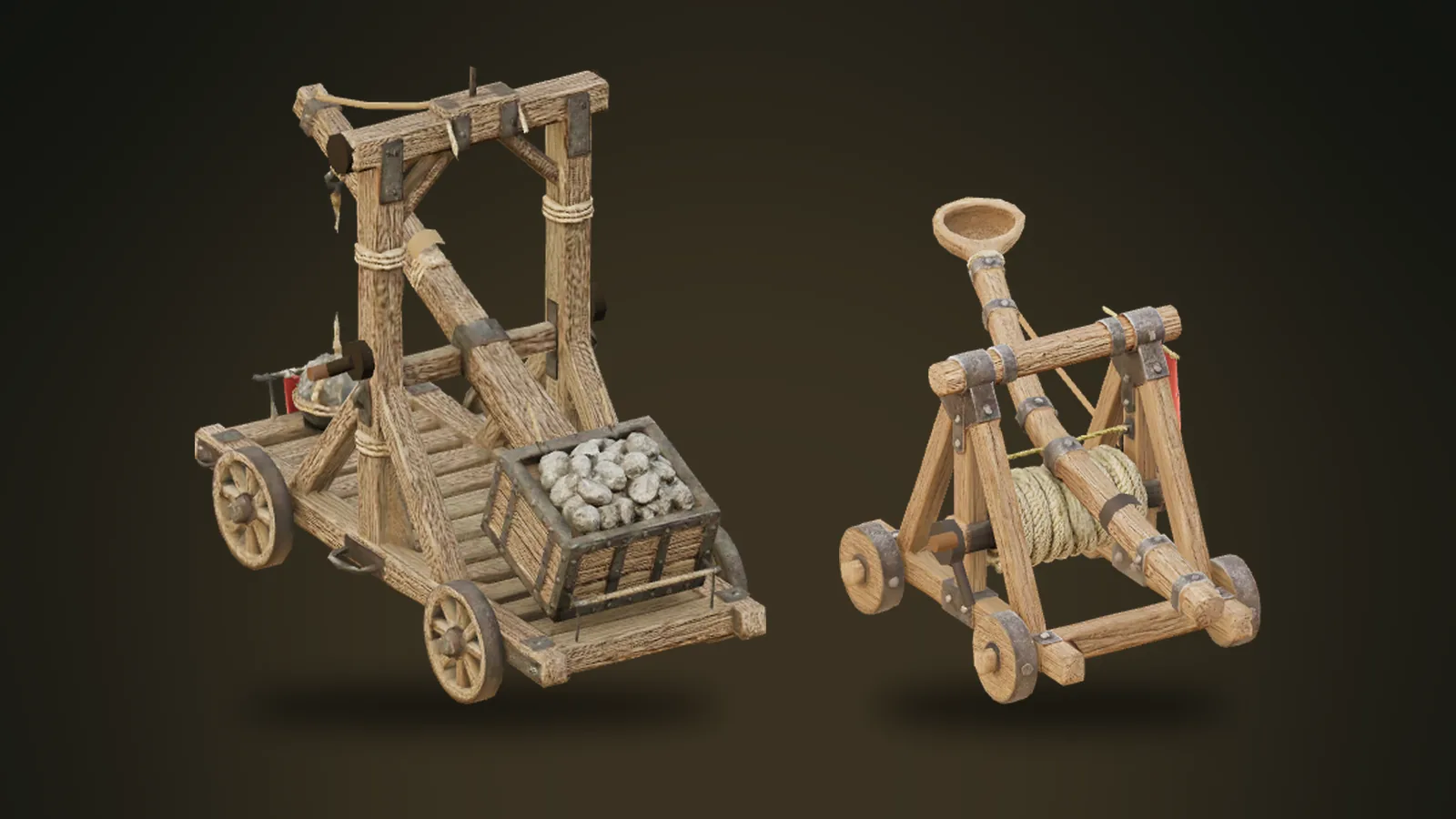 Trebuchet vs Catapult: The Difference ExplainedTrebuchet and catapult are often mixed up. How both siege engines work, what they could do and when to use which – explained in plain words.
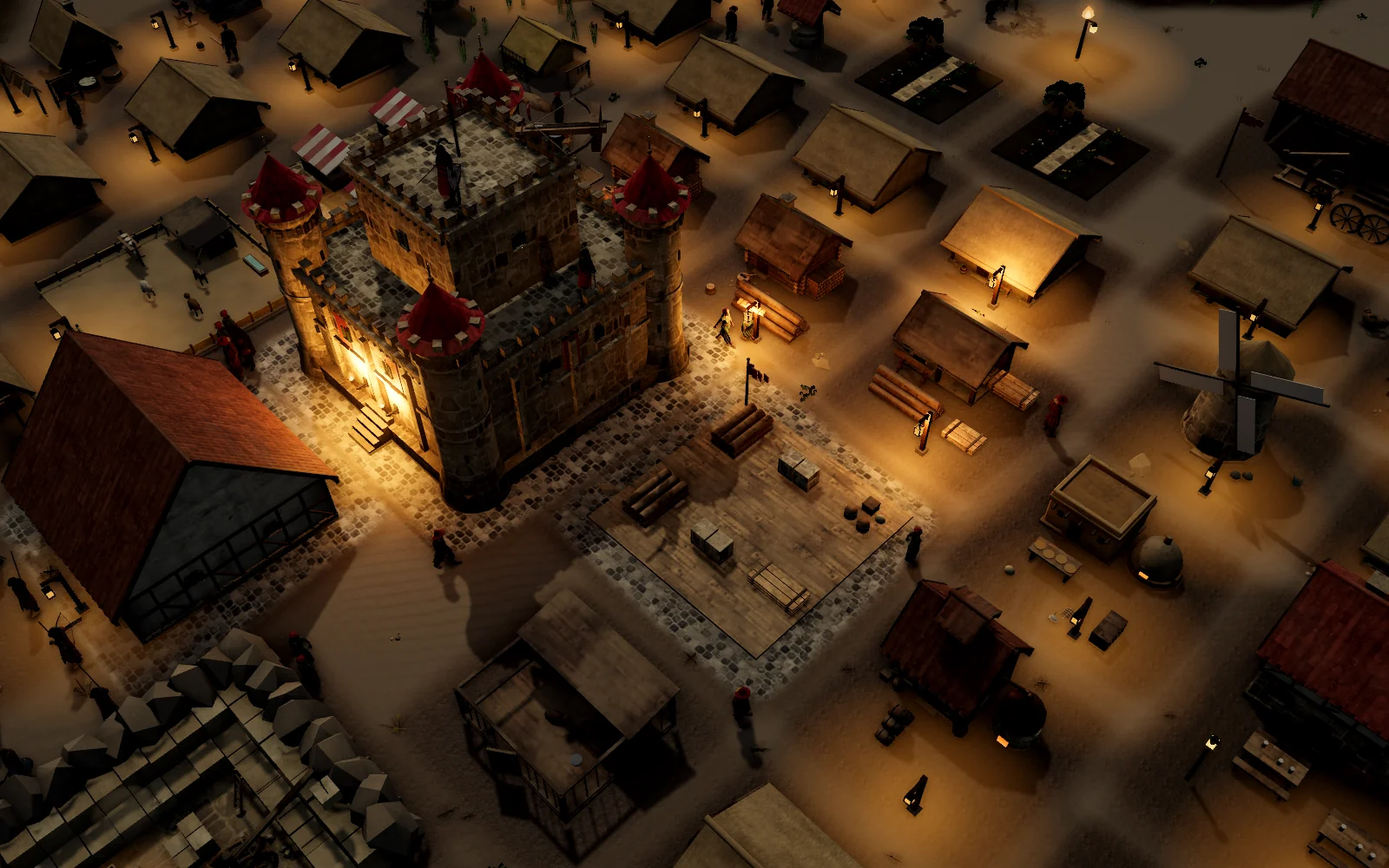 Castle Defenses: How Was a Castle Defended?Walls, moats, pitch and stores: how medieval defenders held their castle against besiegers – and how you defend your own castle in the game.
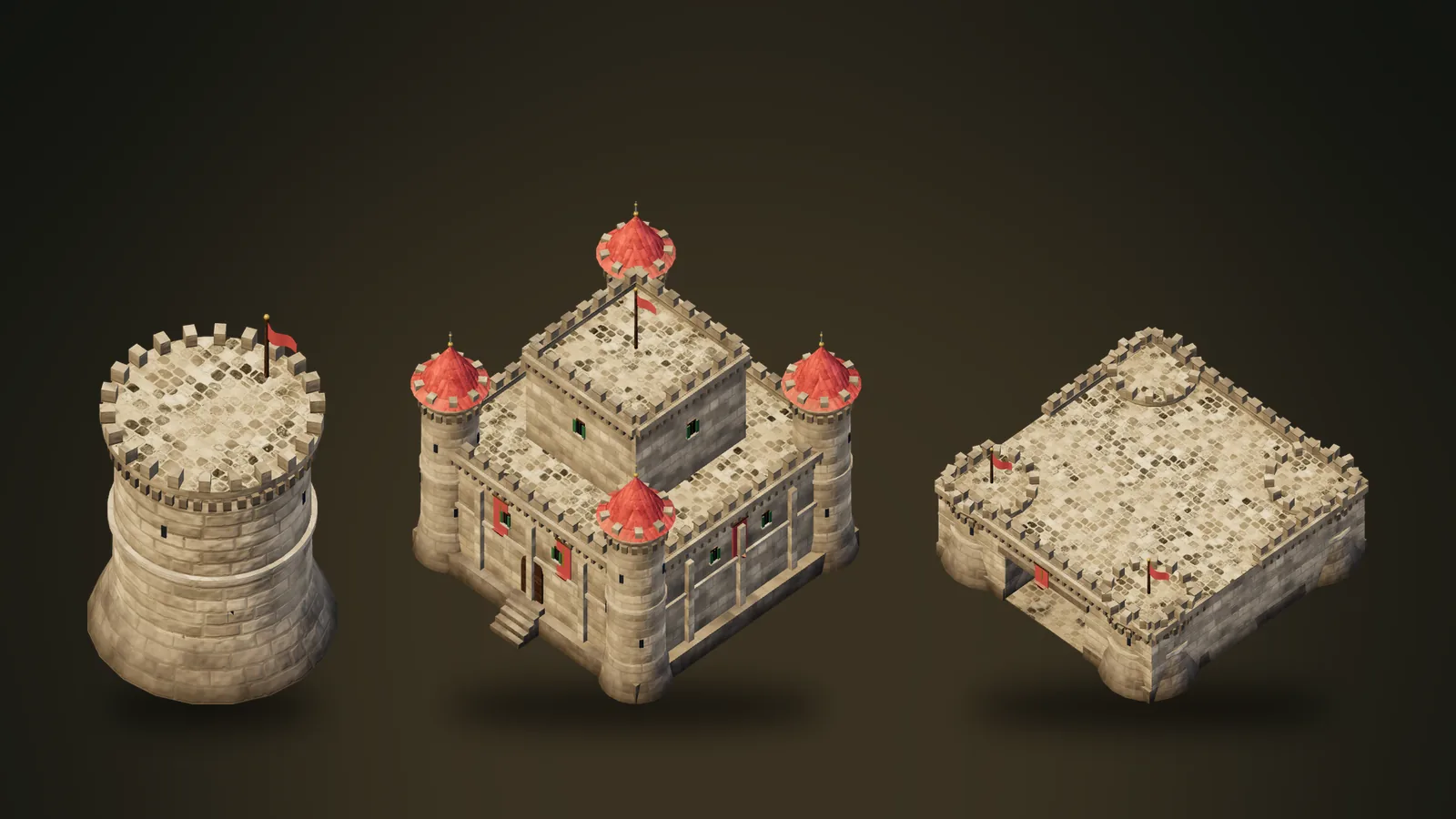 Parts of a Castle ExplainedKeep, curtain wall, gatehouse, bailey: how a medieval castle was laid out and what each part was for – explained in plain words, with pictures.